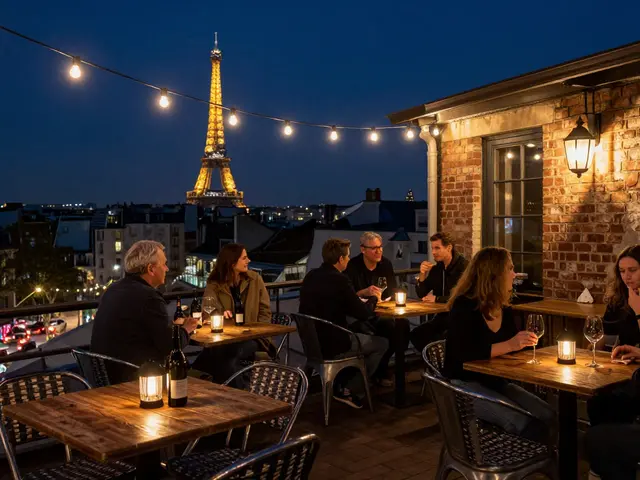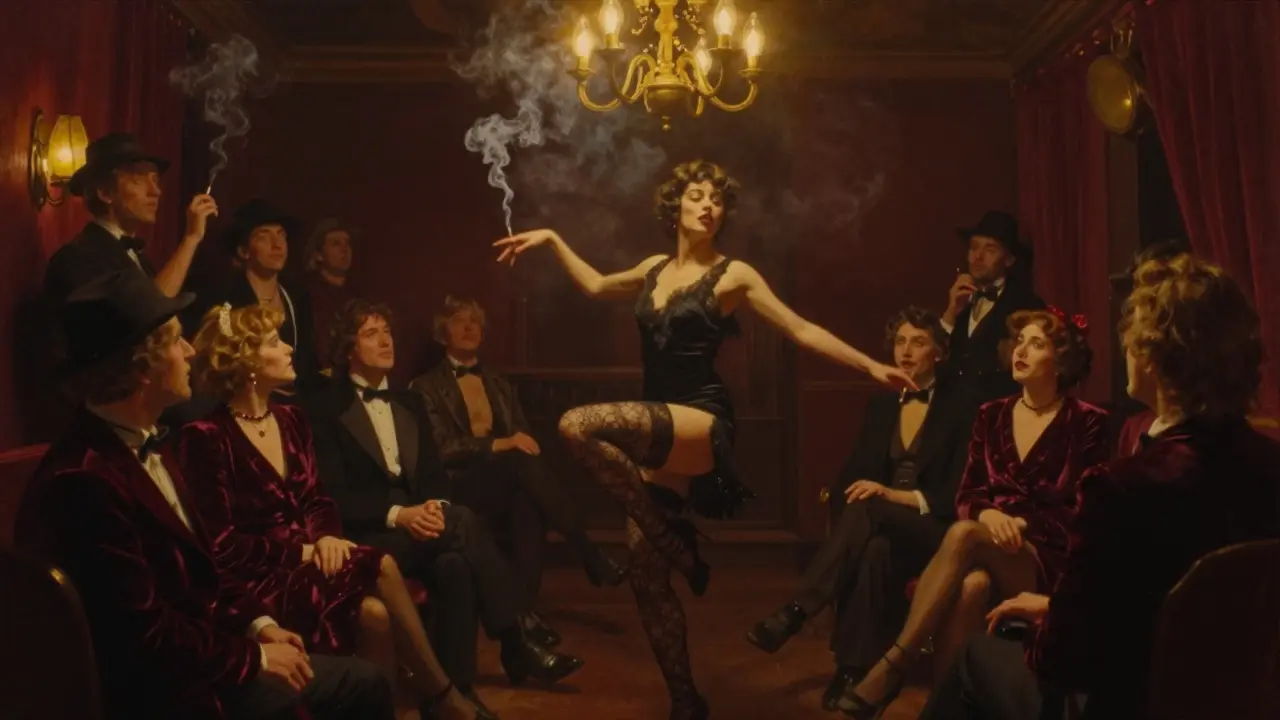
Paris wasn’t always about neon signs and DJs spinning techno in abandoned warehouses. A hundred years ago, the city’s nights belonged to cabarets, poets, and cigarette smoke curling under dim chandeliers. Today, you can sip natural wine in a hidden cellar in Le Marais, dance to live jazz in a basement beneath a 19th-century bank, or find a rooftop bar with views of the Eiffel Tower glowing at 2 a.m. The evolution of Paris nightlife isn’t just about new venues-it’s about shifting identities, generations, and what people really want when the sun goes down.
The Golden Age: Cabarets, Jazz, and Bohemian Nights
In the 1920s, Paris was the place where artists, writers, and rebels came to disappear into the night. Montmartre was the heart of it all. At the Moulin Rouge, can-can dancers kicked high under gaslit chandeliers while American expats like Josephine Baker turned heads with bold performances. Down the street, Le Chat Noir hosted satirical puppet shows and poetry readings that mocked the bourgeoisie. These weren’t just entertainment spots-they were social experiments.
Jazz arrived in the 1930s, brought over by Black American musicians fleeing segregation. Places like Le Caveau de la Huchette became sanctuaries. You’d find Louis Armstrong playing late-night sets, and locals dancing with a freedom they didn’t have during the day. The music wasn’t background noise-it was the pulse. Nightlife then wasn’t about being seen. It was about feeling something real, loud, and unfiltered.
The Quiet Years: When Paris Went to Bed Early
By the 1970s and 80s, Paris nightlife changed. The city’s energy shifted. The cabarets became tourist traps. The jazz clubs closed or turned into dinner theaters. The younger generation? They were bored. Many left for London or New York, where punk, disco, and underground scenes were exploding. Paris, for a while, felt like it had forgotten how to stay up.
There were exceptions. Le Palace, opened in 1978, became a glittery haven for artists, rock stars, and fashion icons. David Bowie, Yves Saint Laurent, and Jean-Paul Gaultier all showed up. But it was an exception, not the rule. Most bars closed by midnight. The city had strict noise laws. Clubs needed permits that took years to get. Nightlife wasn’t illegal-it was practically discouraged.
The Rebirth: Underground, Authentic, and Unapologetic
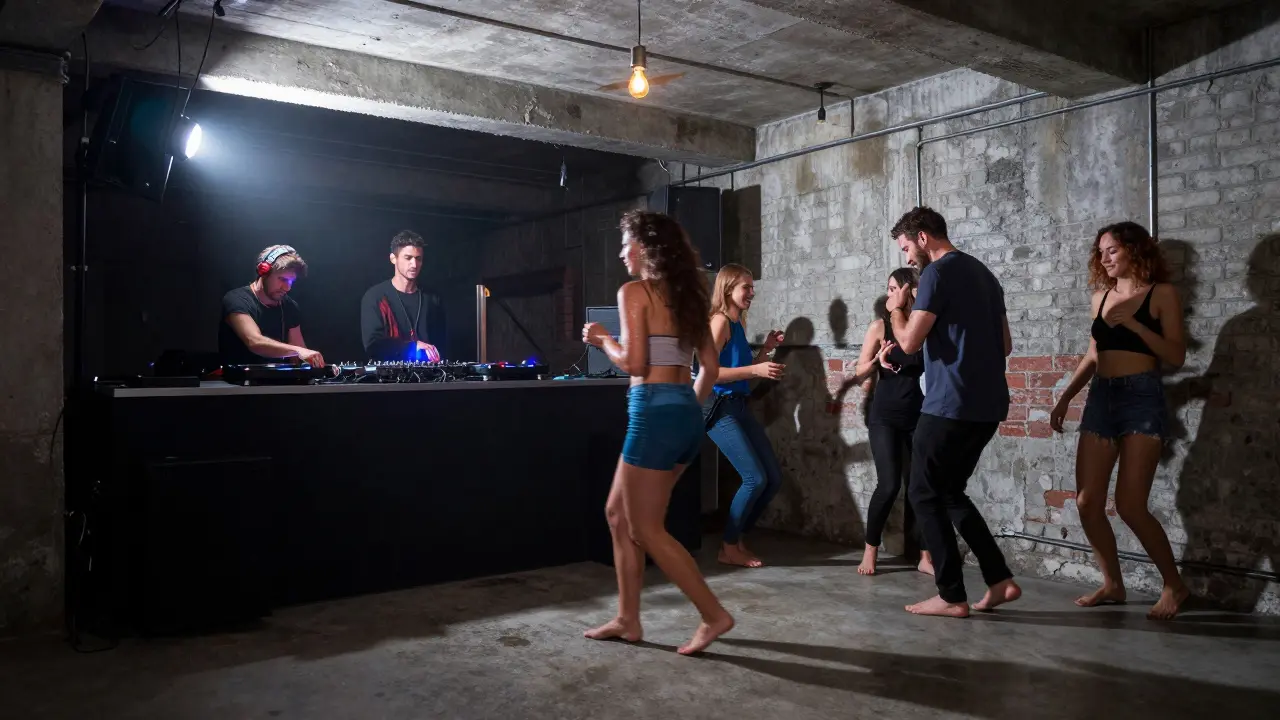
The real shift started in the early 2010s. A new wave of Parisians-many in their 20s and 30s-started asking: Why should nightlife only happen in polished, expensive spaces? Why can’t a warehouse in the 13th arrondissement be a club? Why can’t a bar serve natural wine and play experimental electronic music?
That’s when places like La Machine du Moulin Rouge (not the tourist spot, but the reimagined underground venue) and Concrete in the 10th arrondissement began popping up. These weren’t designed for Instagram. They were built for sound, for sweat, for connection. Concrete had no logo, no fancy lighting, just concrete walls and a killer sound system. People found it by word of mouth. The vibe? Raw. Real. No cover charge until 1 a.m.
Le Marais became the new epicenter-not for drag shows and champagne, but for queer-friendly spaces, vinyl-only DJs, and pop-up bars in old bookshops. Bar de la Marine started as a tiny wine bar with three stools. Now it’s a destination. Why? Because the owner sources wines from small French vineyards, plays no music on weekends, and lets conversations take over. It’s the opposite of what you’d expect from a nightlife hotspot.
Modern Paris: Where Tradition Meets Innovation
Today, Paris nightlife isn’t one thing. It’s a mosaic. You can start your night at Le Comptoir Général, a bar in a former colonial warehouse with African art and live Afrobeat, then hop to Club 13 for a techno set in a former printing press. Or you can go to Le Baron, a velvet-draped, celebrity-favorite lounge that still feels exclusive, even if you’re not famous.
What’s changed isn’t just the venues-it’s the rules. The city relaxed its closing times in 2018. Clubs can now stay open until 5 a.m. on weekends. The mayor’s office even launched a Nuit Parisienne initiative to support independent venues. That’s huge. It means small operators can survive without becoming corporate clones.
Even the old guard adapted. The Moulin Rouge now hosts experimental theater nights. Le Caveau de la Huchette still plays jazz, but now it’s a mix of traditional swing and modern fusion. Tourists still come. But locals? They come for the music, not the postcards.
What’s Next? The Rise of the Micro-Nightlife Scene
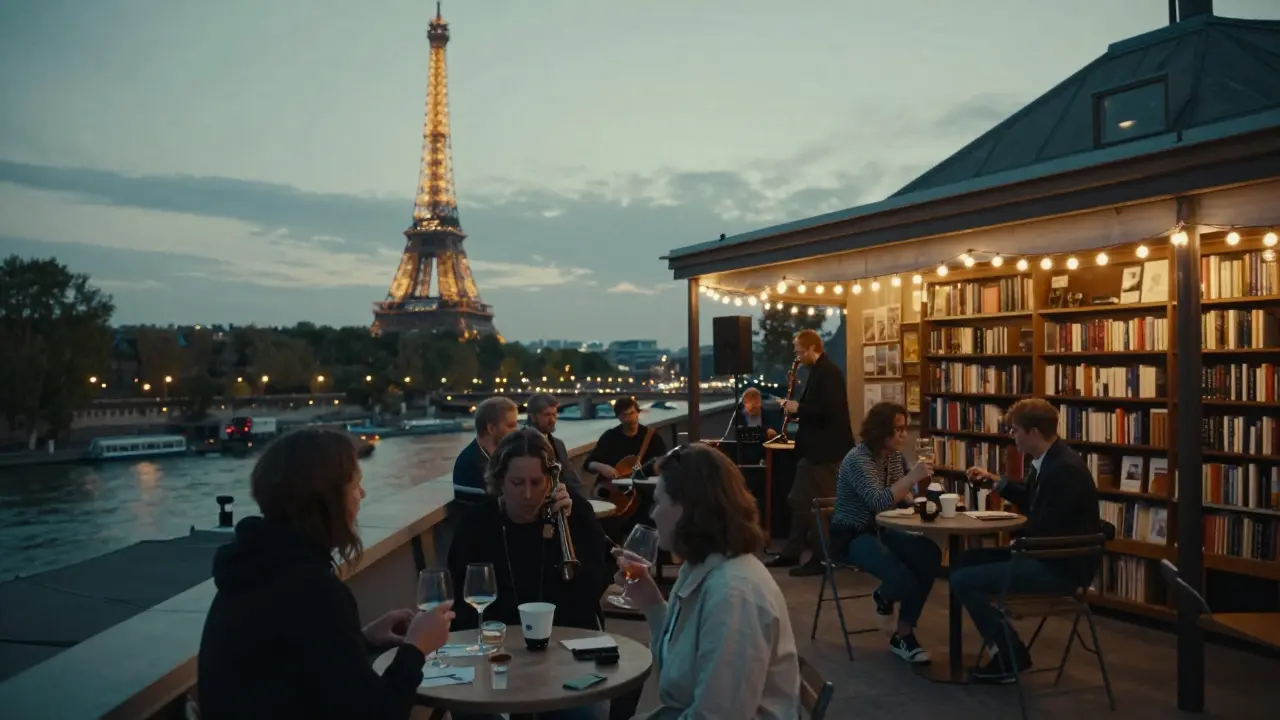
The next wave isn’t about bigger clubs. It’s about smaller, smarter, and more intentional spaces. Think: a bookstore that turns into a poetry slam venue every Thursday. A bakery that serves cocktails after 9 p.m. A laundromat in Belleville with a sound system and a DJ once a month.
These aren’t gimmicks. They’re responses to burnout. People are tired of loud, crowded, overpriced clubs. They want intimacy. They want authenticity. They want to feel like they’re part of something local, not just another tourist on a checklist.
Young Parisians are also pushing for sustainability. Many new bars use reusable glassware. Some host zero-waste nights. Others partner with local artists to turn empty storefronts into temporary cultural hubs. Nightlife is no longer just about drinking. It’s about community.
Why Paris Still Gets It Right
Other cities have bigger clubs. Berlin has more techno. Tokyo has more themed bars. But Paris has something no one else does: the ability to layer history with rebellion. You can walk into a 200-year-old building, sit on a velvet couch, and hear a 22-year-old DJ drop a track made on a laptop in her bedroom. That collision-between centuries-old stone and digital beats-is what makes Paris nightlife unique.
The city didn’t erase its past. It didn’t pretend to be something it wasn’t. It let its soul evolve. And that’s why, even in 2026, Paris still feels alive after dark.
What’s the best neighborhood for nightlife in Paris today?
Le Marais is still the top pick for a mix of old-school charm and modern edge-think wine bars, queer-friendly spots, and hidden jazz cellars. Belleville offers grittier, more experimental venues with live music and global beats. The 10th arrondissement, especially around Canal Saint-Martin, has a strong DIY scene with pop-up clubs and vinyl bars. Montmartre is more touristy now, but if you know where to look, there are still intimate jazz spots tucked away.
Are Paris nightclubs still expensive?
It depends. Big-name spots like Le Baron or L’Aeronef can charge €30-€50 cover and €15 cocktails. But dozens of underground venues charge nothing until midnight, and drinks start at €6. Many new bars operate on a pay-what-you-can basis or have free entry for the first hour. The key is avoiding the tourist traps near the Champs-Élysées or the Eiffel Tower.
Is Paris nightlife safe at night?
Yes, generally. Most nightlife districts are well-lit and patrolled. The main risks are pickpockets in crowded areas like Montmartre or near metro exits. Avoid walking alone through empty streets after 3 a.m., especially in less populated arrondissements. Stick to main roads, use licensed taxis or the night bus (Noctilien), and trust your gut. Most locals say Paris is safer at night than many other European capitals.
What time do Parisians actually go out?
Unlike in New York or London, Parisians don’t rush out at 9 p.m. Dinner usually starts at 8 or 9, and people don’t head to bars until after 11. Clubs don’t fill up until after midnight. The real energy hits between 1 a.m. and 3 a.m. If you show up at 10 p.m., you’ll be one of the few. Locals know the rhythm-slow start, deep night, quiet end.
Can you still find jazz in Paris?
Absolutely. Le Caveau de la Huchette has been running since 1947 and still hosts nightly jazz sets. Sunset/Sunrise in the 11th arrondissement mixes jazz with electronic beats. La Cigale brings in touring jazz artists. And smaller venues like Le Petit Journal Montparnasse host intimate Sunday jam sessions. Jazz isn’t a relic-it’s alive, evolving, and still central to Parisian nights.