Forget the fashion shows and the Duomo for a minute. When the sun goes down in Milan, the city transforms into something wilder, louder, and way more alive. This isn’t just a city that sleeps after dinner-it’s a place where the night is the main event. If you’re looking for real nightlife in Milan, not the tourist trap version, you need to know where to go. And it’s not just about drinking. It’s about the energy, the music, the people, and the way the city pulses after midnight.
Where the Locals Go: Navigating Milan’s Nightlife Zones
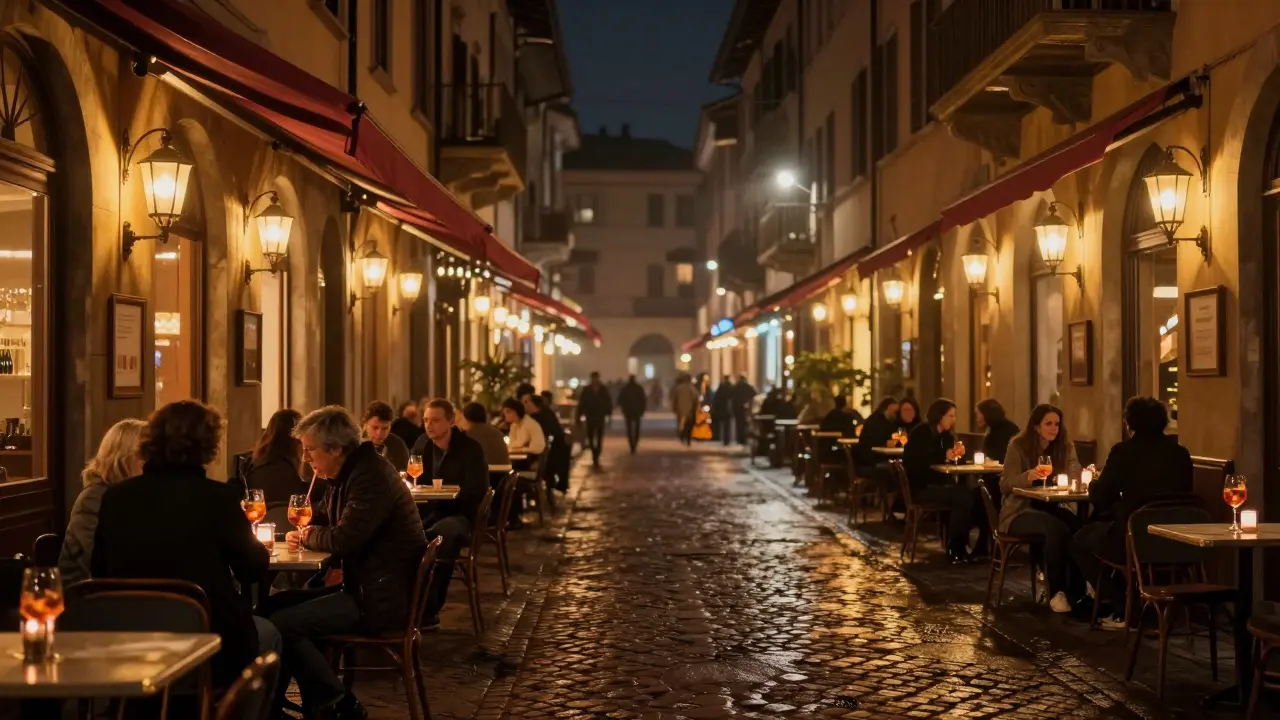
Milan doesn’t have one nightlife district-it has several, each with its own personality. You could spend a week just hopping between them and still miss spots. Start with Brera. It’s the artsy heart of the city by day, but by 10 PM, it turns into a cozy, candlelit maze of wine bars and cocktail lounges. Think dim lighting, jazz on the speakers, and locals sipping Aperol spritzes like it’s a religion. No loud music here. Just good conversation and slow nights.
Then there’s Porta Ticinese. This is where Milan gets its groove on. The streets are lined with outdoor terraces, hidden courtyards, and clubs that don’t even have signs. You’ll find students, artists, and expats dancing to indie rock, electronic beats, or live hip-hop. The vibe is casual, gritty, and real. Bars like La Cucina is a popular local hangout known for its cheap cocktails and late-night pizza. You won’t find a bouncer in a suit here-just a guy behind the bar who knows your name by your third drink.
For the big names and international DJs, head to Zona Tortona. This former industrial zone is now Milan’s nightlife playground. Clubs here are sleek, modern, and packed with fashion insiders and global travelers. The music? House, techno, and bass-heavy beats that shake the walls. This is where you’ll see people who made headlines during Fashion Week still dancing at 4 AM.
Top 5 Clubs That Actually Matter in 2026
Not every club with a neon sign is worth your time. Here are the five that still hold the crown after years of change:
- Armani/Privé is a luxury club inside the Armani flagship store, with velvet couches, curated cocktails, and a no-photography policy. You need an invite or a reservation. It’s not cheap, but it’s the only place in Milan where you can sip a $25 gin and tonic next to a supermodel without being stared at.
- Magazzini Generali is a massive warehouse-turned-club that hosts underground techno nights and experimental sound installations. It’s open until 7 AM on weekends, and the sound system is so good you feel the bass in your ribs. No dress code. Just come as you are.
- Le Mani is a hidden gem in the Navigli district, known for its live jazz and soul sets on Friday nights. The crowd is older, but the energy is electric. They don’t take reservations-you just show up and wait in line. Worth it.
- La Bicocca is a club built inside a converted factory, with industrial lighting and a rooftop terrace overlooking the city. They throw themed parties every month-think 80s synthwave, Afrobeat nights, or disco revival. The DJs rotate, but the vibe never changes: raw, loud, and unapologetic.
- La Perla is a newcomer that exploded in 2025, known for its immersive light shows and queer-friendly crowd. It’s small, but packed every weekend. The music blends house, disco, and Latin rhythms. If you’re looking for a place where everyone dances like no one’s watching, this is it.
Best Bars for Craft Cocktails and Late-Night Snacks
Clubs aren’t the only way to enjoy Milan’s night. Some of the best moments happen in bars-quiet, clever, and full of character.
Bar Basso is a legendary spot where the Negroni was invented in 1945. It’s still the best place in the city to try one. The bar is tiny, the stools are worn, and the bartender doesn’t smile much-but he knows exactly how much gin you need. No menus. Just ask for “the classic.”
La Sirena is a new wave cocktail bar in Porta Venezia that uses local herbs, Italian spirits, and smoke-infused techniques. Their signature drink, the “Milanese Mist,” combines grappa, violet liqueur, and lavender smoke. It costs €18, but you’ll remember it for months.
And if you’re hungry after dancing? Skip the kebab trucks. Head to Trattoria da Gianni is a 24-hour spot near Porta Ticinese that serves handmade ravioli and crispy polenta until dawn. It’s not fancy. But after three hours of dancing, nothing tastes better than warm pasta and a glass of red wine.

What to Expect: Dress Code, Cover Charges, and Timing
Milan’s nightlife isn’t just about where you go-it’s about how you show up.
Dress code? It’s flexible but real. In Brera and Armani/Privé, you’ll need to look put together. No sneakers, no hoodies. Think dark jeans, a nice shirt, maybe a blazer. In Porta Ticinese and Magazzini Generali? Jeans and a t-shirt are fine. You’ll see more people in boots and leather jackets than in heels and sequins.
Cover charges vary. In Brera, most bars are free until midnight. After that, €5-€10 for entry. Clubs like Magazzini Generali and La Bicocca charge €15-€25, depending on the night. Armani/Privé? You don’t pay at the door-you pay with your vibe. They’ll let you in if you’re interesting, well-dressed, or connected. Otherwise, you’ll be turned away without explanation.
Timing matters. Most places don’t fill up until after 11 PM. The real party starts at 1 AM. If you show up at 9 PM, you’ll be the only one there. Stay until 4 AM if you can. That’s when the real Milan wakes up.
How to Avoid the Tourist Traps
There are dozens of places that market themselves as “the best Milan nightlife experience.” They’re not. They’re loud, overpriced, and full of people who just want to say they went out in Milan.
Avoid places with:
- Signs in English only
- Tables with pre-set drink menus
- Staff asking if you’re “on vacation”
- Lines that stretch out the door at 10 PM
- “Happy Hour” deals that end at midnight
If you see a bar with a giant LED screen showing “WELCOME TO MILAN!” and a DJ spinning “Uptown Funk,” walk the other way. The real spots don’t advertise. They whisper.

Pro Tips for Getting In and Staying Safe
Here’s what you won’t hear in travel blogs:
- Use the metro after midnight. It runs until 2 AM on weekends, and it’s safe. Taxis are expensive and often overcharge tourists.
- Bring cash. Many small bars don’t take cards after 1 AM.
- Don’t drink and walk alone in empty streets after 3 AM. Stick to well-lit areas near Navigli or Porta Ticinese.
- Download the app “Milan Night Map.” It’s not on Google Play-it’s a local project with real-time updates on which clubs are actually open and who’s playing.
- Ask a local. If you’re in a bar and the bartender seems friendly, ask: “Where’s the best place to go next?” They’ll tell you. And they won’t steer you wrong.
What’s New in 2026
Milan’s nightlife keeps evolving. In 2026, a few new trends are taking over:
- Pop-up rooftop bars are appearing on top of old factories in the Zona 5 district. No names, no signs-just a ladder and a password you get from a friend.
- Sound baths and midnight yoga are replacing late-night parties for some. You can find quiet, candlelit sessions in Brera that end with herbal tea and silence.
- Local beer festivals are growing fast. Look for “Birra in Città” events in May and October, where small Milanese breweries serve experimental brews you won’t find anywhere else.
The city isn’t stuck in the past. It’s reinventing itself-quietly, creatively, and without asking for your permission.
Is Milan nightlife safe for solo travelers?
Yes, but with caution. Milan’s main nightlife areas like Porta Ticinese, Navigli, and Brera are well-lit and patrolled. Avoid isolated streets after 3 AM. Stick to crowded bars, use the metro, and don’t flash expensive items. Locals are generally helpful-if you look lost, someone will ask if you need help.
What’s the best night to go out in Milan?
Friday and Saturday are the busiest, but Tuesday and Wednesday nights are where the real locals go. Clubs like Magazzini Generali and La Bicocca often have better DJs and smaller crowds midweek. If you want to avoid the tourist rush, skip the weekend.
Do I need to speak Italian to enjoy Milan’s nightlife?
No, but it helps. Most bartenders in popular spots speak English. But if you want to get into the hidden bars or ask for a recommendation, knowing a few phrases like “Dove si balla bene?” (Where’s the best place to dance?) or “Un bicchiere di vino rosso, per favore” (A glass of red wine, please) goes a long way. Locals appreciate the effort.
How much should I budget for a night out in Milan?
You can have a great night for €40-€60. That covers 2-3 drinks, a snack, and cover charges. If you’re hitting upscale clubs like Armani/Privé, budget €100-€150. Drinks are €12-€20, and cover charges range from €15 to €30. Skip the tourist bars-they charge €25 for a soda.
Are there any all-night clubs in Milan?
Yes. Magazzini Generali and La Bicocca often stay open until 7 AM on weekends. Some rooftop pop-ups and underground parties run until sunrise. If you’re looking for a place that doesn’t close, ask for “dove si va fino all’alba?” (Where do you go until dawn?) and follow the locals.
Final Thought: Milan’s Nightlife Is a Secret Only the Brave Get to Know
The city doesn’t advertise its nightlife. It doesn’t need to. It’s not about the neon lights or the Instagram posts. It’s about the moment you find yourself in a basement bar with no sign, the music is too loud to hear yourself think, and everyone around you is dancing like they’ve never danced before. That’s Milan after dark. And if you’re lucky enough to find it-you’ll never forget it.