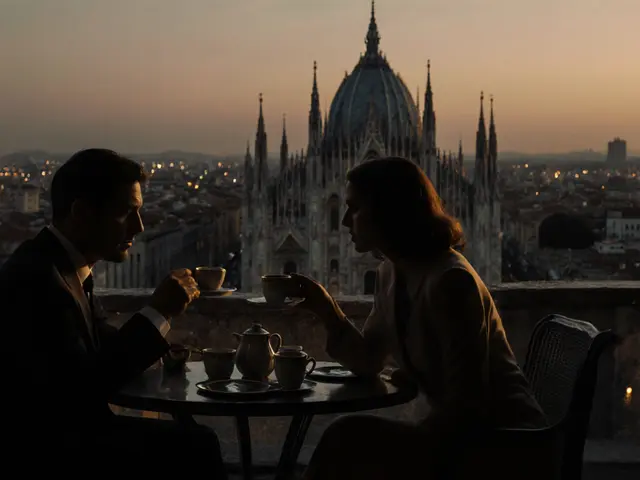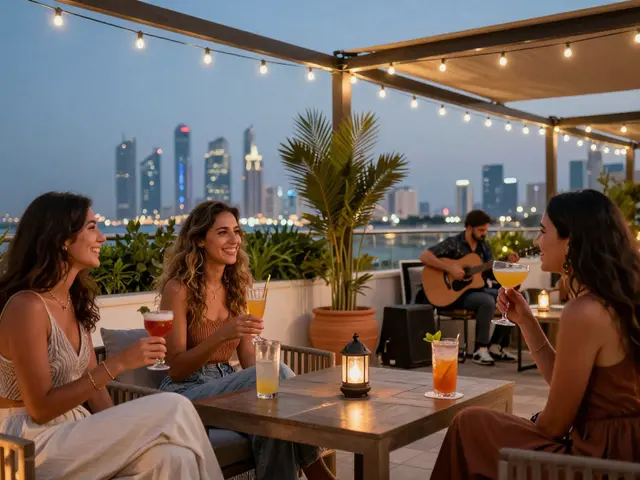
Milan has a reputation problem. For years, people dismissed it as a city of suits, banks, and fast food, leaving the romance to Rome and the history to Florence. That perception couldn't be further from the truth in 2026. If you know where to look, Milan offers one of the most sophisticated, energetic, and diverse nightlife scenes in Europe. You aren't just drinking here; you are curating an experience that starts at 7 PM and ends when the sun hits the cobblestones.
Milan Nightlife isn't a monolith. It depends entirely on which district you haunt. One area gives you old-world charm and wine glasses, while another pumps out bass until 5 AM. The trick isn't just finding an open door; it's understanding the rhythm of the city. Locals live by the clock, and visitors who try to party without understanding the timing end up empty-handed. You need to know the rules of the road before you hit the floor.
The Art of the Aperitivo
You cannot talk about nights in Milan without discussing the Aperitivo is a pre-dinner drink ritual popular in Italy, typically served between 6 PM and 9 PM, often accompanied by free snacks. Italian Happy Hour. This is not a happy hour in the American sense. In Milan, it is a social event. You pay a fixed price-usually between 20 and 25 Euros-and get access to a buffet. Some places serve hot pasta, others offer high-end carpaccio and cheeses.
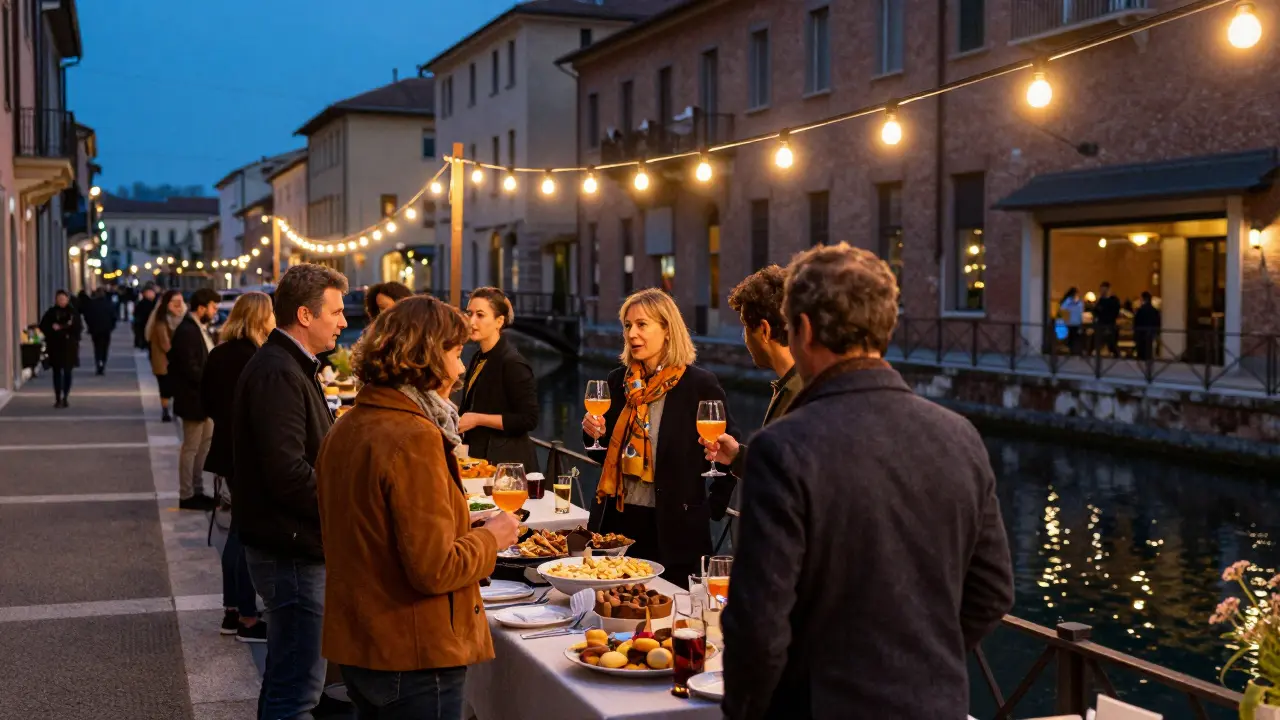
This ritual sets the tone for your entire evening. It forces you to linger on the balcony or outdoor terrace. Rushing through this phase means missing the warm-up period where everyone discusses the day. In the Navigli district, the canalside bars transform into a massive standing picnic. In the trendy Porta Romana area, it looks more like a cocktail masterclass. If you skip this step, you are already behind schedule. Arrive early, around 6:30 PM, to snag a table before the line snags the sidewalk.
Why does this matter? Because the transition from aperitivo to dinner determines your energy level. A heavy meal kills the dance floor energy. The clever move is to do a light aperitivo, perhaps a Negroni or Campari Spritz, and keep moving. By 10 PM, you want to feel alert enough to find a club, not sleepy enough to head home.
Navigating the Districts
Milan is too big to walk everywhere, especially when the clubs start closing at 4 AM. You need a strategy based on geography. Most tourists stick to the Duomo, which is fine for a glass of wine, but terrible for dancing. The action happens in pockets. We need to map these zones so you aren't wandering aimlessly in the dark.
| District | Vibe | Crowd Age | Price Point |
|---|---|---|---|
| Brera & Montenapoleone | Upscale, quiet, chic | 30+ | $$$ |
| Navigli | Lively, canal-side, tourist-friendly | 25-45 | $$ |
| Isola & Garibaldi | Trendy, hipster, underground clubs | 21-35 | $$ - $$$ |
| Centro Storico | Historic, classic bars, hotel lounges | 40+ | $$$$ |
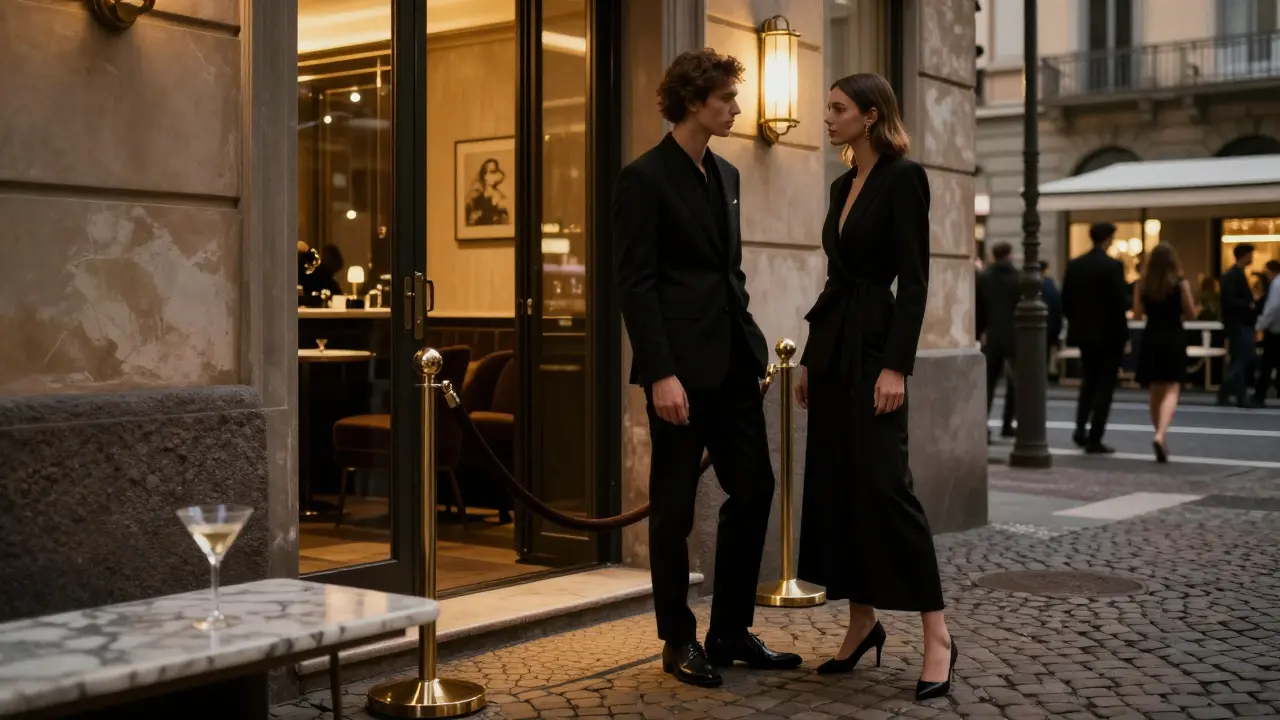
If you want the Fashion District, head straight to Brera and Via della Spiga. Here, the lights dim earlier, and the focus is on conversation. The dress code is strict here. Men wear collared shirts and tailored trousers; women dress for the runway, not the gym. It's expensive, yes, but the service quality is unmatched. You order a Martini at a velvet rope, and it's shaken with ice that was personally selected.
On the other end of the spectrum, the Navigli area offers a grittier, more authentic feel. Once a shipyard zone, now filled with canals and iron bridges. This is where you grab a beer on a crate while standing next to locals. It's less about showing off wealth and more about community. On weekends, you might see live jazz spilling onto the pavement. It is chaotic, loud, and wonderful.
The Club Scene: Underground vs. High-Rise
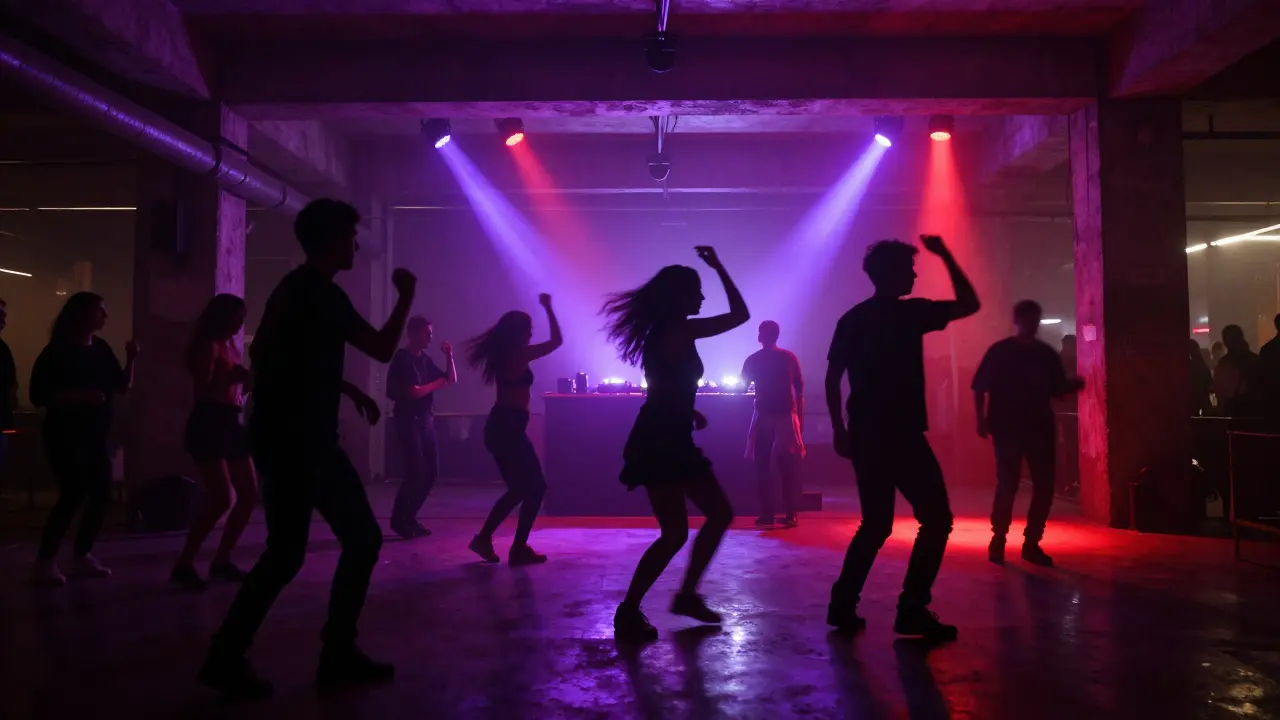
Milan's Club Culture splits into two camps. First, there are the mega-clubs near the Fiera Milano trade center or hidden in industrial warehouses. These spots run until dawn. Second, you have the historic clubs tucked away in small alleys. Places like Al Baretto are legendary for house music. If you love electronic beats, you are heading here. You need reservations though. Milanese clubs take lists seriously. Walking up without a name on the book at midnight means waiting two hours outside in the cold.
Then you have the rooftop experiences. Hotels like the Baglioni or smaller boutique hotels have transformed their rooftops into premier viewing decks. You are dancing with the skyline of the Duomo lit up below you. The downside is the noise restrictions. Outdoor music stops at 11 PM. If you want the real partying after midnight, you go indoors to the basement rooms. The acoustics are better down there anyway. You hear the bass in your chest.
Don't forget the "After-Hours." Many places in the Isola district reopen specifically for workers and students after 4 AM. They serve breakfast pastries and coffee alongside the final DJ set. This is a cultural staple in Milan. You don't stop drinking until you need to catch the train home.
Safety and Logistics
It's important to address safety without fear-mongering. Milan is generally safe, but pickpockets love crowded nightlife districts. Keep your bag zipped and in front of you when taking photos. The Milan Metro closes around 12:30 AM on weekdays and 1:30 AM on weekends. Taxis queue up outside clubs, but surge pricing applies. Rideshare apps work well here too.
Another logistical hurdle is payment. Cash is still king in older, smaller bars in Brera. Large clubs and modern pubs accept Apple Pay and credit cards everywhere. Always carry some Euro bills (at least 50 euros) for tips or emergencies. Some venues also have a cover charge for entry. Expect to pay 20 to 30 Euros to get inside a top club, even without a reservation. This gets you a drink, usually.
Weather plays a role too. Winter in Milan is damp and cold. Outdoor seating in Navigli is nice in September but miserable in January. Plan for indoor venues during colder months. Conversely, summer terraces are packed tight. Book a spot weeks in advance if you plan to sit outside during peak season.
Dress Code Realities
Avoid the biggest mistake: overdressing or underdressing. Milanites are fashion-forward but understated. You never see someone in a bright red track suit entering a decent club. The look is neutral colors, high-quality fabrics. Black suits almost anywhere. Jeans are fine if they are dark denim without rips. Sneakers work, but only clean white leather sneakers or black boots.
Women should treat the night out as a mini-fashion show. Heels are standard for clubs, but comfort wins for bars. Men should avoid shorts and sandals entirely. Even in August, shorts in a main club bar will result in denial of entry. Gatekeepers at Milan venues take appearance very seriously. Looking good ensures you skip the waiting room and get straight to the VIP section or the dance floor.
What time do clubs close in Milan?
Most nightclubs stay open until 4:00 AM on Fridays and Saturdays. Small bars typically stop serving alcohol at 3:00 AM. Sunday closures are common.
Is it safe to walk alone at night in Milan?
Major districts like Navigli and Duomo are safe due to police presence, but always watch your phone and bags. Avoid the areas immediately south of the train station after dark.
Do I need reservations for nightlife spots?
Yes, for popular clubs and aperitivo tables. Reserving 2-3 days in advance guarantees entry. Walk-ins often face long waits on weekends.
How much money should I budget?
Budget 80-100 Euros per person per night for drinks, cover charges, and transport. Aperitivo costs range from 20-25 Euros.
Can I bring water bottles into clubs?
Security checks vary, but most clubs allow sealed water. Alcohol is strictly prohibited inside, and staff confiscate any open containers immediately.