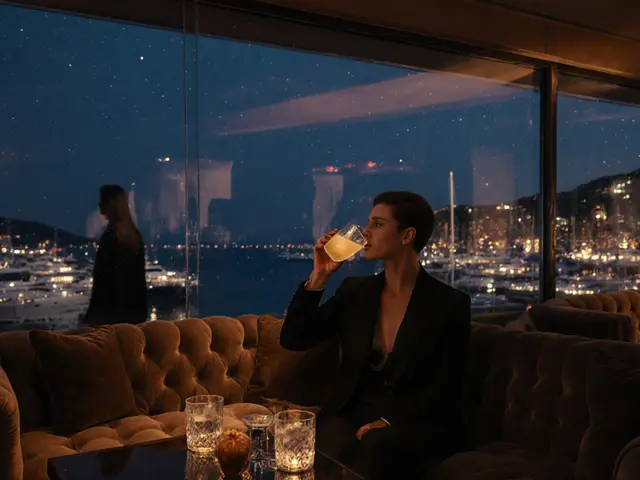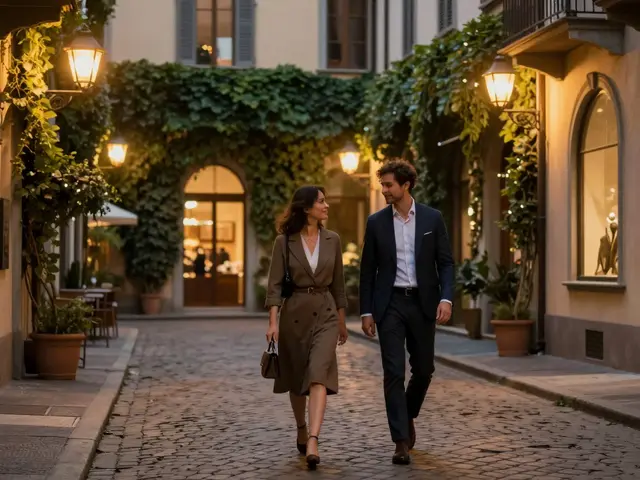
If you think Milan is just about shopping and fashion, you are missing half the show. This city lives fast, starts late, and stays up until sunrise. Unlike other European capitals where the club rush hits at midnight, Milano operates on its own schedule. Locals eat dinner at 9 PM, hit the bars by 11 PM, and truly party begins around 2 AM. If you plan your night based on tourist brochures, you will be stuck sitting alone in an empty venue. Understanding the rhythm of the city is the first step to enjoying the nightlife in Milan.
The Art of the Aperitivo
You cannot understand the evening routine here without mastering the Aperitivo
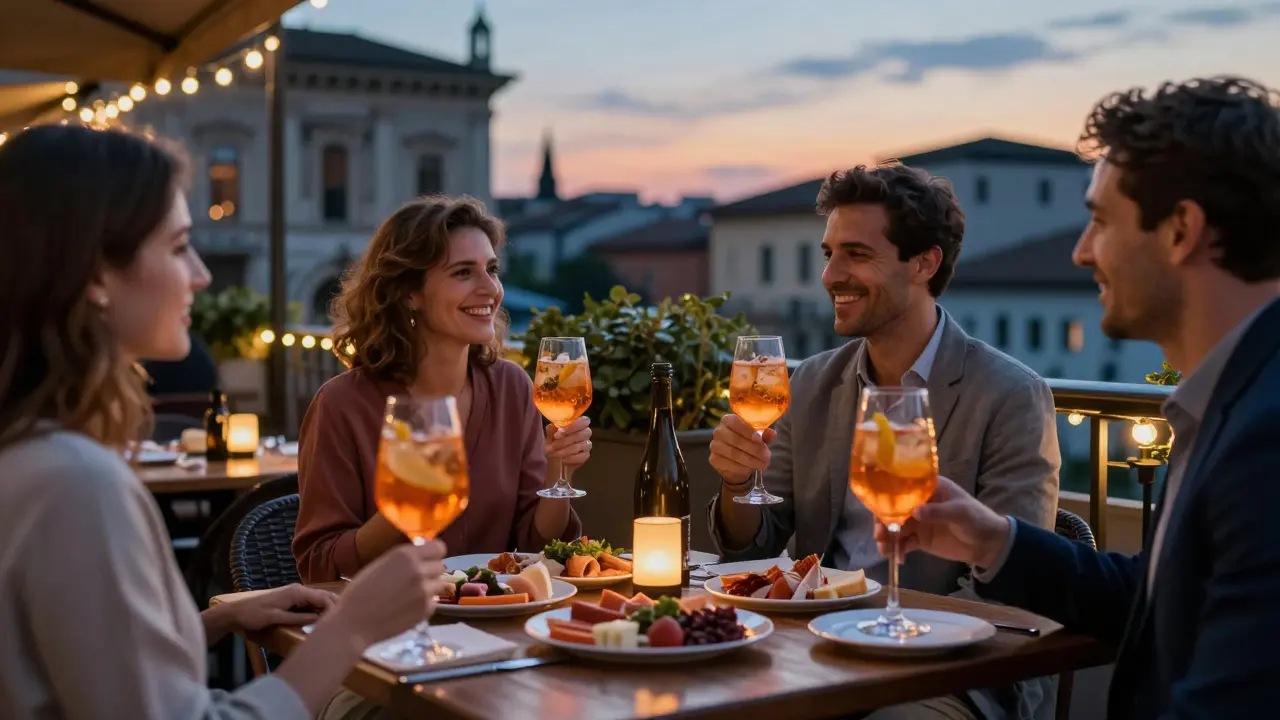
A pre-dinner drink tradition popular in Italy that includes complimentary food. It usually runs from 6 PM to 9 PM. It is not just a drink; it is a social event. You pay for a glass of wine, spritz, or beer, and you get access to a buffet of snacks. Prices range from 10 to 20 euros depending on the district. This is the warm-up act.
In trendy neighborhoods, the aperitivo sets the tone for the rest of the night. People arrive fresh, dressed well, and ready to chat. In older areas, it is more casual. If you skip this, you are eating too early and missing the crowd before they move to the real nightlife scene.
- Spritz: Light, refreshing, perfect for starting slow.
- Negroni: Stronger choice for experienced drinkers.
- Bitter Soda: A lighter alternative that is gaining popularity.
Choosing Your Battlefield: Neighborhood Guide
Milan is huge, and each area has a distinct vibe. Where you go determines who you meet and what you pay. Do not wander randomly; pick your style first.
| District | Vibe | Cover Charge | Best For |
|---|---|---|---|
| Isola | Trendy, Young, Hipster | Free to €15 | Socializers, Early Birds |
| Brera | Chic, Upscale, Historic | €20+ | Couples, Serious Drinkers |
| Navigli | Canals, Crowded, Student-heavy | Free to €10 | People Watching, Casual Fun |
| Via Tortona | Industrial, High Energy | €25+ | Dancers, Late Night Party |
Isola
This is the heart of the modern scene. Located near the Duomo but slightly off the main path, Isola feels like Berlin meets New York. Streets are filled with craft cocktail bars. It attracts a mix of tourists and young locals. The energy is high, but the prices are reasonable compared to the financial center.
Brera
Walking through Brera at night feels like stepping into history. The cobblestones and hidden courtyards offer privacy. Bars here are smaller, darker, and more intimate. Expect to see more mature professionals. It is less about dancing and more about drinking fine wines.
Navigli
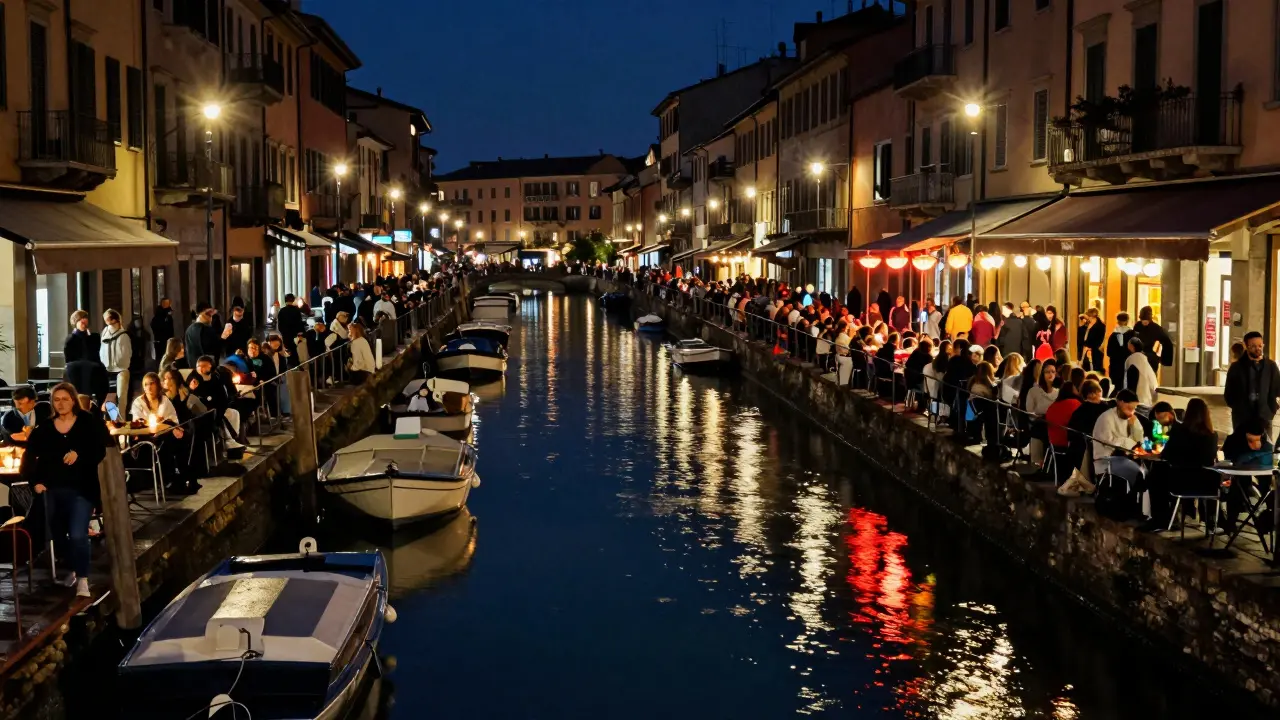
The canals are beautiful during the day, but at night, they turn into a massive open-air bar. The area along the water is lined with terraces. It gets crowded very quickly, especially on weekends. If you want to dance in a canal-side spot, go earlier, before midnight. By 1 AM, it is standing room only.
Via Tortona
For those who love techno and house, this industrial district is key. Large warehouses have been converted into clubs. The sound systems are heavy, and the lights are minimal. It is the place to go when you want serious music rather than background noise.
Clubbing Rules and Entry Fees
Entering a club is rarely free unless you book a table. You will likely face a cover charge. This fee typically ranges from 15 to 25 euros on weekends. During weekdays, places might waive the entry fee, but drinks remain expensive. A standard shot costs 12 euros, while cocktails run 16 to 20 euros.
Cover Charge
An admission fee paid at the entrance of a nightclub to gain access to the premises. Paying this upfront means drinks are often priced cheaper inside. Always ask the price before ordering. Some venues add a mandatory service fee called the Coperto. This is a small tax on service, usually 1 to 3 euros per person, separate from the bill.
Line jumping is possible but costly. Buying a "drinks package" online beforehand usually saves money. These packages often include two or three drinks plus free entry. It is worth checking websites before heading out.
Dress Code Matters More Here
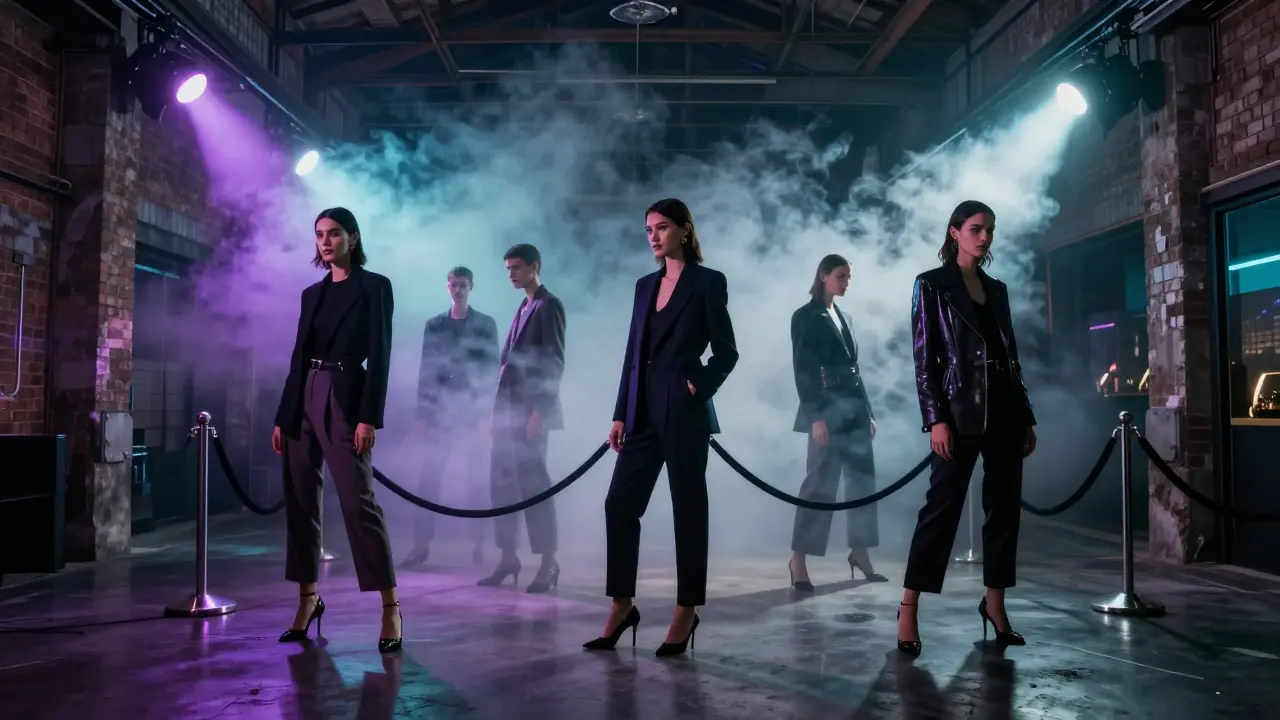
This is where many travelers fail. Milan takes appearance seriously. Jeans are fine, provided they are dark and well-fitted. Sneakers should be clean and stylish, not athletic running shoes. Men wearing t-shirts and sandals may find themselves turned away at the door. Women can get away with more, but comfort does not mean sloppy.
If you plan to enter a VIP zone or a high-end lounge, smart casual is the baseline. Think blazers, button-down shirts, and heels or loafers. Bouncers hold the line strictly. Being denied entry wastes an entire hour of your night.
Paying and Tipping
In Italy, tipping is different than in the US. There is no strict percentage required. If the staff was helpful, leaving some change is polite. If you leave a tip, do it on top of the coperto. Most bills already include a service charge, so read your receipt carefully.
Credit cards are accepted almost everywhere now, even in smaller bars. Carry some cash, though, for small fees or taxi rides. Many clubs still prefer cash for tables.
Getting Home Safely
Transportation stops working around 11:30 PM on Sundays, and somewhat later on weekdays. Metro stations close between 11:00 PM and 4:00 AM on Sundays, but operate until 1 AM on Friday and Saturday nights. Public trams stop earlier. Planning your exit strategy is vital. Rideshare apps like Uber are available but limited compared to larger cities. Private taxis wait outside major clubs. Be sure to agree on a flat rate before getting in to avoid meter surprises.
Milano is generally safe, but petty theft occurs. Keep bags zipped and phones out of sight when walking in crowded areas like Porta Garibaldi or Central Station.
Frequently Asked Questions
What time do clubs open in Milan?
Most bars open around 11 PM, but large clubs do not fill up until 1 AM or 2 AM. The peak energy is usually between 3 AM and 5 AM when the city winds down.
Are there any drug-free zones in Milan nightlife?
While public consumption laws are strict in Italy, police presence varies by neighborhood. Police raids do occur in the Navigli and CityLife areas on major holidays. Stick to legal alcohol consumption to avoid fines.
Is it necessary to speak Italian to enjoy the nightlife?
Not necessarily. English is widely spoken in tourist-heavy bars and clubs. However, learning a few basic phrases helps in local trattorias and smaller back-street bars.
How much should I budget for one night out?
Expect to spend between 60 and 100 euros per person for a full night including dinner, drinks, and entry. A cheap night with just beer could drop this to 40 euros, while a luxury experience can easily exceed 200 euros.
Are there specific dress codes for women versus men?
Men are judged more strictly on footwear and shirt collars. Women have more flexibility but should aim for smart-casual to gain entry to popular VIP sections. Athletic wear is generally discouraged for both genders.
Ultimately, the secret to having fun in Milan is adapting to the pace. Arrive late, stay later, dress sharp, and embrace the chaos. When you navigate the streets with confidence, the doors open wide. Enjoy the electric atmosphere and dance until the sun rises over the skyline.